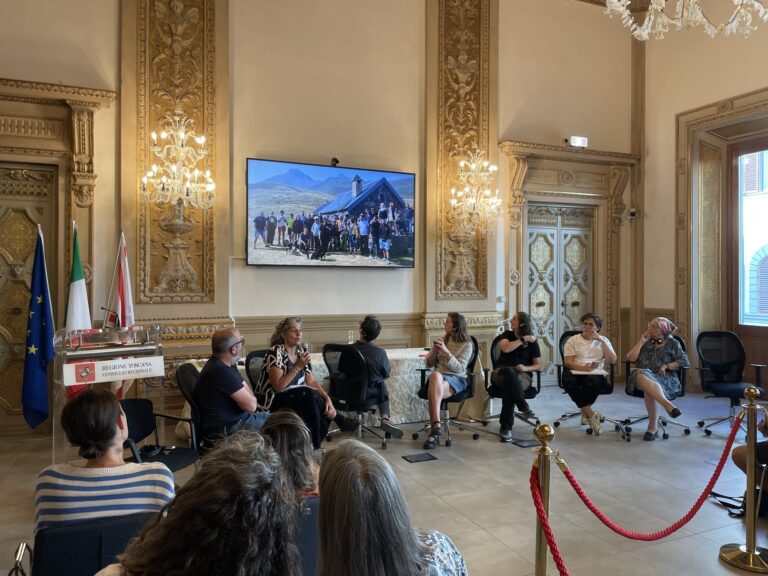
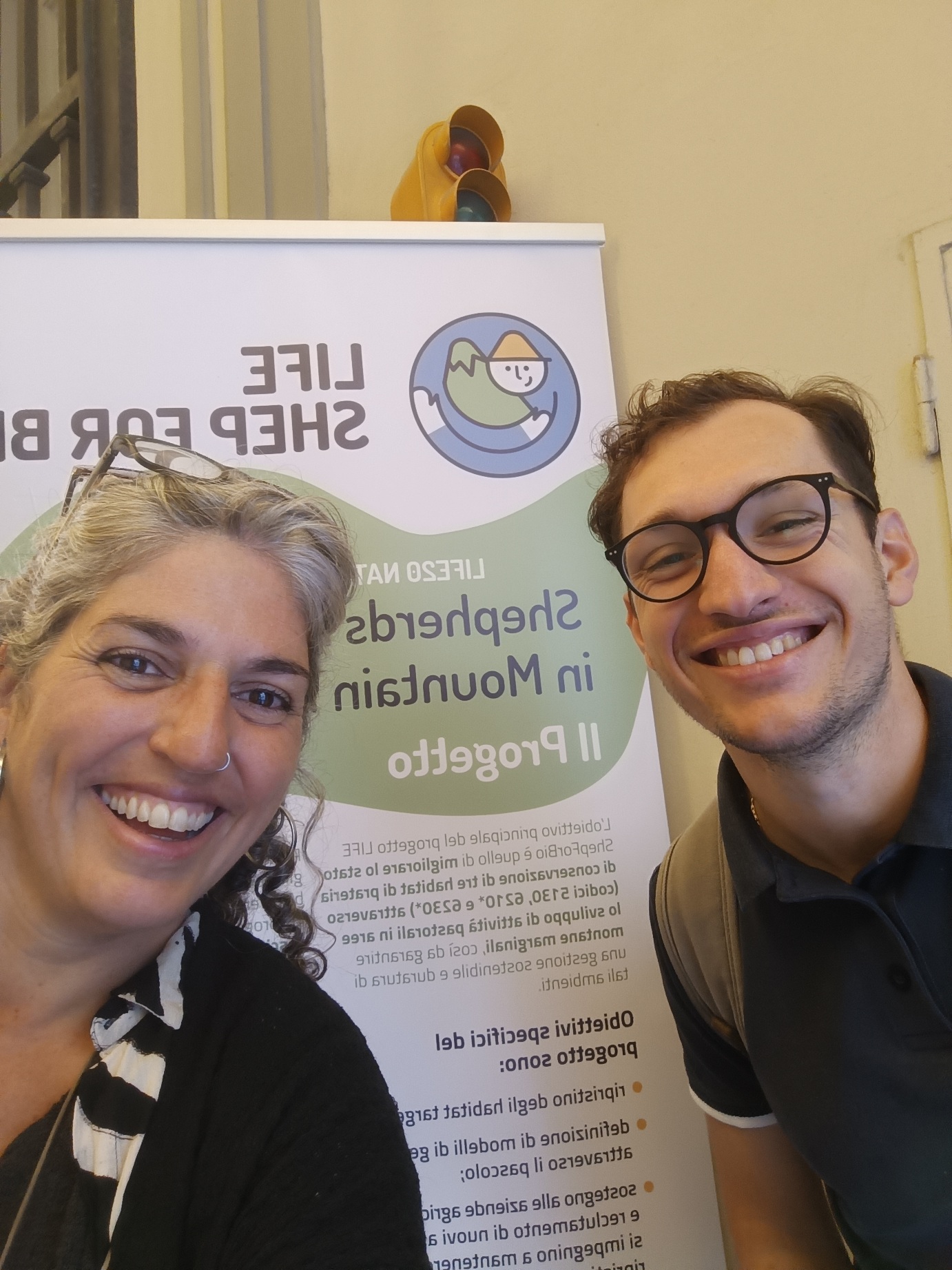
On 23–24 September 2026, the LIFE ShepForBio 3rd International Conference: Pastoral Landscape 2026 brought together a diverse community of people working to support pastoralism at Palazzo Bastogi in Florence, Italy. The Transhumances project, coordinated by URGENCI and represented at the conference by Deafal, took part in two days of discussions, knowledge-sharing and networking focused on the challenges and opportunities facing pastoralism across Europe. From climate change and biodiversity conservation to agricultural policy and pastoral education.
The first day opened with a series of sessions exploring four key themes:
- Advocacy during the International Year of Rangelands and Pastoralists 2026
- Climate change
- Biodiversity
- The future of the Common Agricultural Policy (CAP) and the Nature Restoration Regulation.
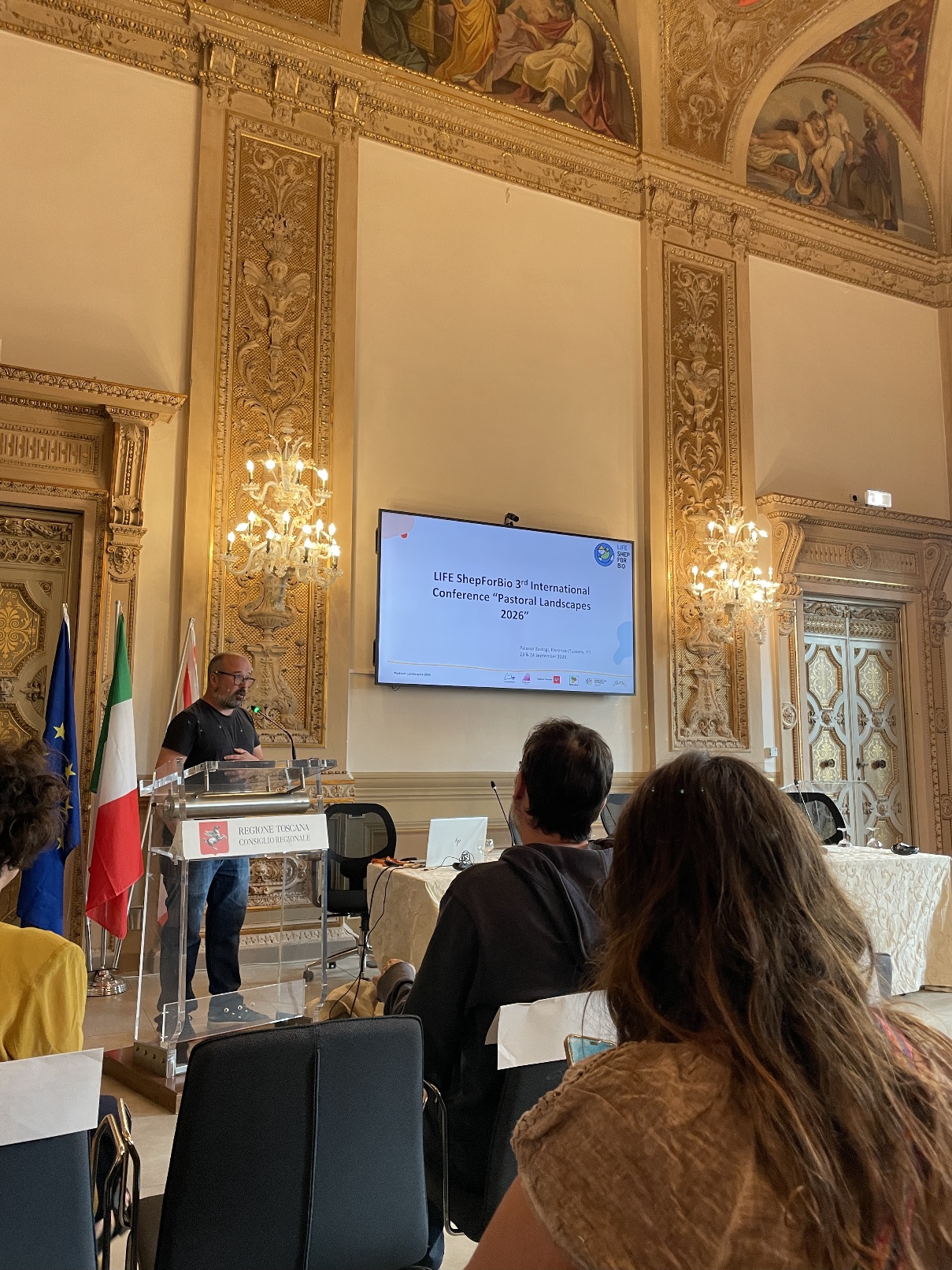
The session on pastoral advocacy featured an insightful contribution from Francesca Pasetti Bombardella, Co-Chair of the European Regional Support Group of the Global Alliance for Rangelands and Pastoralists (GA4RP).
After introducing the alliance and its work, she discussed COP17, organised by the United Nations Convention to Combat Desertification (UNCCD) in Mongolia in August 2026. One particularly interesting initiative was the World Pastoralist Map, a tool designed to map the people and organisations involved in pastoralism, including herders, shepherd schools and associations.
The next session explored the relationship between pastoralism and climate change. Pablo Manzano, from the BC3 Basque Centre for Climate Change in Spain, presented scientific evidence on this connection, while representatives of other LIFE projects shared experiences from different regions.
In the afternoon, the focus shifted to the relationship between pastoralism and biodiversity, bringing together scientific research and experiences from ongoing projects.
Zsolt Molnár and Marianna Biró, both from the HUN-REN Centre for Ecological Research in Hungary, offered complementary perspectives. Molnár explored the connections between traditional and scientific knowledge, including approaches to pasture management, while Biró presented research on plant biodiversity in Hungarian pastures, drawing on several case studies.
The session also introduced the Kathmandu Declaration of Pastoralist Women, bringing attention to the experiences and perspectives of pastoralist women within broader discussions about pastoralism and its future.
Together, these contributions highlighted the value of combining scientific research with the knowledge developed through generations of pastoral practice.
The first day concluded with a roundtable entitled “How can the post-2027 Common Agricultural Policy (CAP) and the Nature Restoration Regulation support and promote extensive grazing practices?”
Representatives from European networks, public authorities, research institutions and civil society discussed the policy frameworks that shape the future of pastoralism.
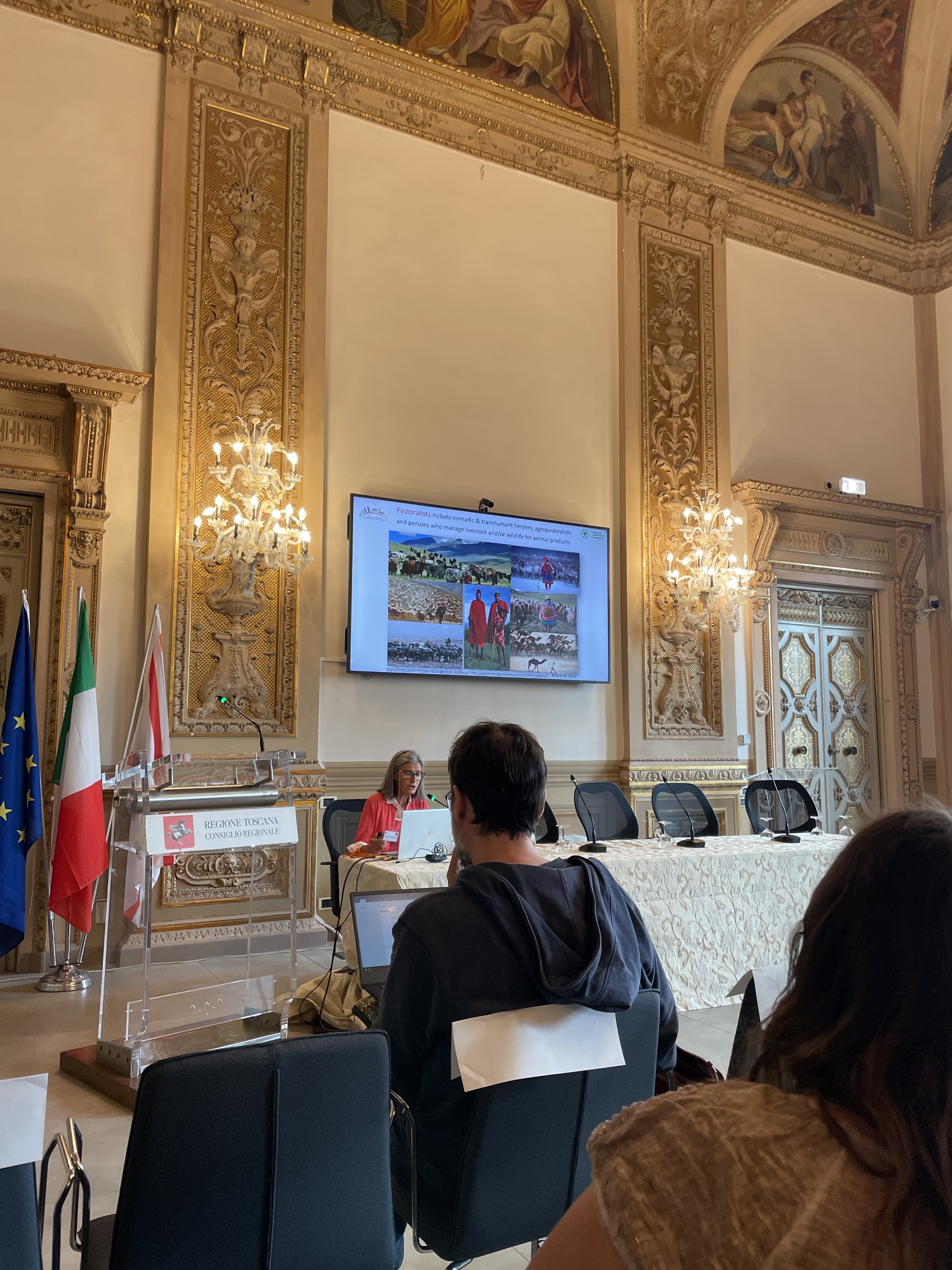
The second day began with a presentation by Tamara Mitrofanenko of the UNEP Vienna Programme Office and the Secretariat of the Carpathian Convention, focusing on the Global Declaration of Young Pastoralists for the International Year of Rangelands and Pastoralists 2026.
The programme then moved to one of the key moments for the Transhumances project: the interactive workshop “Proposals for the Future of European Pastoral Schools”.
Representing Transhumances, Anna Morera Perez and Alessio Lasina from Deafal joined participants from shepherd schools, LIFE projects, NGOs and pastoral organisations to exchange experiences and reflect on how pastoral education can respond to the needs of current and future generations.
The discussion explored the many roles shepherd schools can play beyond teaching the practical skills required for sheep farming and livestock management, such as contributing to biodiversity protection, landscape management and relationships between pastoralism and tourism. They also discussed the social and emotional challenges of pastoral life, including the loneliness that can accompany working in mountain pastures.
During the workshop, Anna Morera Perez introduced the Transhumances project, presenting its partnership, objectives and activities. She also shared insights from the project’s second Learning, Teaching and Training (LTT) programme, held in Béarn, in the French Pyrenees near the Spanish border.
The experience provided an opportunity to bring lessons from the training into the wider European discussion. Reflections from Béarn, including experiences shared by the Escola de Pastors de Catalunya (Rurbans) and AETVB, were particularly appreciated by the participants.
The Transhumances project attracted considerable interest, particularly because of its practical activities, its emphasis on networking among shepherds, and its recognition of the knowledge and expertise held by all partner organisations.
The workshop and the following conversation broadened the discussion about what pastoral education can achieve, such as:
- Emotional support for difficult situations and solidarity.
- Facilitation and interpretation between languages and practices.
- Peer exchange and support.
- Valorisation and transmission of indigenous knowledge.
- Antidote to the polarisation of society.
- Supporting the opening up process to the external worlds.
- Employment and protection of local breeds
The conference concluded with a roundtable introduced by Pablo Manzano of Pastoraméricas, entitled “Building effective representation of the pastoral sector’s concerns, promoting a consistent involvement of shepherds in decision-making processes and advocacy activities”. The discussion brought together shepherds and other stakeholders to address representation and participation in decision-making.
The LIFE ShepForBio conference offered the Transhumances project an important opportunity to share its work, learn from other initiatives and strengthen relationships with organisations working towards a more sustainable future for pastoralism.
Through our focus on interregional learning, cooperation and pastoral education, we will continue working to connect people and experiences across Europe, helping shepherds and their organisations learn from one another and build a stronger future for pastoralism.
Transhumances: InterRegional Education in AgroSilvoPastoralism
PROGRAMME ERASMUS+ 2025-1-FR01-KA220-ADU-000363766
Funded by the European Union. Views and opinions expressed are however those of the author(s) only and do not necessarily reflect those of the European Union or the European Education and Culture Executive Agency (EACEA). Neither the European Union nor EACEA can be held responsible for them.