
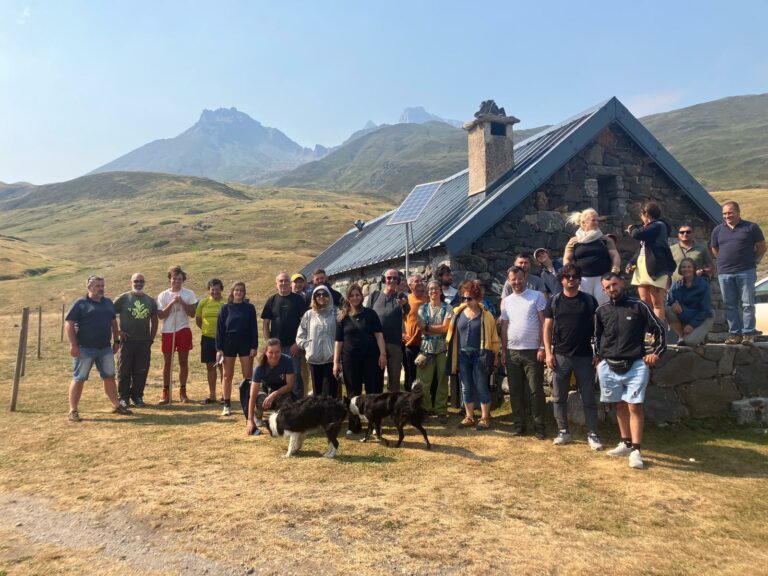
Under threat across the globe, pastoralism is now seeking to reinvent itself. Faced with agricultural, environmental and economic crises, herders, citizens and civil society organisations are coming together to preserve and pass on age-old knowledge.
As early as 2018, in Thessaloniki, the international Urgenci network, which brings together associations promoting solidarity-based partnerships between farmers and citizens in 43 countries, raised the alarm about the situation.
Gathered at a dedicated workshop, pastoralists from several countries drew up a worrying assessment: border closures hindering transhumance, hygiene standards ill-suited to small-scale farming, and pressure from globalised markets favouring intensive livestock farming. The low prices paid to producers do not allow them to make a decent living.
All these factors are undermining an agricultural model that is nevertheless recognised for its respect for animal welfare and its ability to enhance a variety of natural environments, from mountain pastures to wetlands.
Beyond simply acknowledging the situation, alternatives are emerging.
All over the world, grassroots initiatives are championing a different vision of food, refusing to allow it to be reduced to a mere commodity.
“Short supply chains and local solidarity-based partnerships are essential drivers for maintaining subsistence farming rooted in local communities,” – Flore Binggeli, Swiss goat farmer and specialist in pastoralism within the Urgenci network.
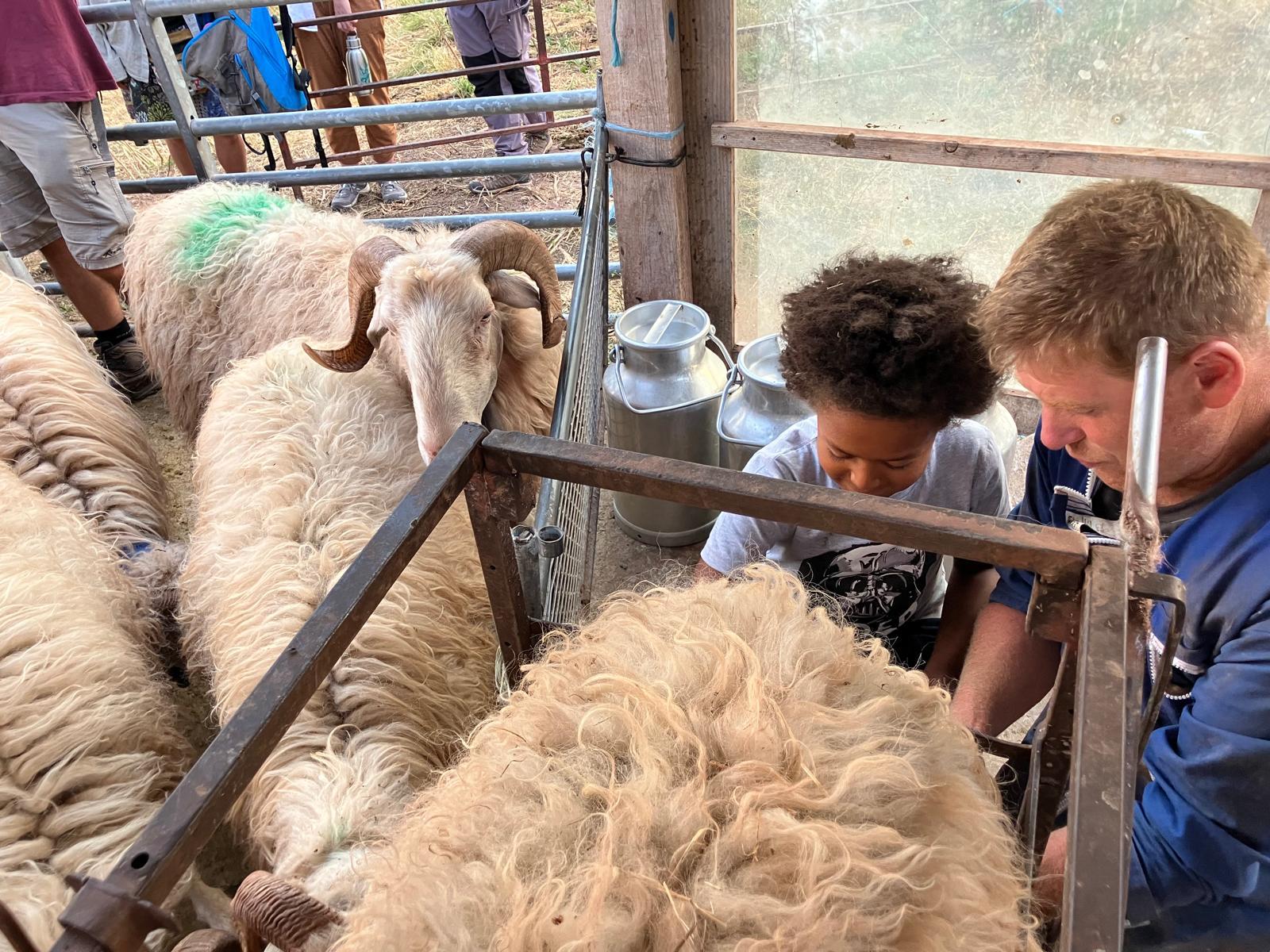
It is within this context that Urgenci launched a three-year Erasmus programme in 2025, supported by the European Union. Its aim is to establish a mutual support network among farm-based cheesemakers in order to preserve and promote traditional skills.
This project draws on existing cooperation initiatives, the needs expressed by livestock farmers, and the richness of local produce. By 2028, a network of experienced farm-based and artisanal cheesemakers is set to emerge.
These professionals will act as ambassadors for their practices to international institutions such as the European Union and the FAO. They will be able to count on the support of a vast ecosystem comprising researchers, technicians, agricultural organisations, shepherd training schools and elected representatives committed to the rural world.
An international gathering of shepherds and cheesemakers, ‘Transhumance: New Milky Ways’, was held from 15 to 20 July 2026 in Béarn at the invitation of the Association of Shepherds and Transhumant Herders, with the support of elected representatives from the Pyrénées-Atlantiques Departmental Council and the mayors of the Aspe Valley.
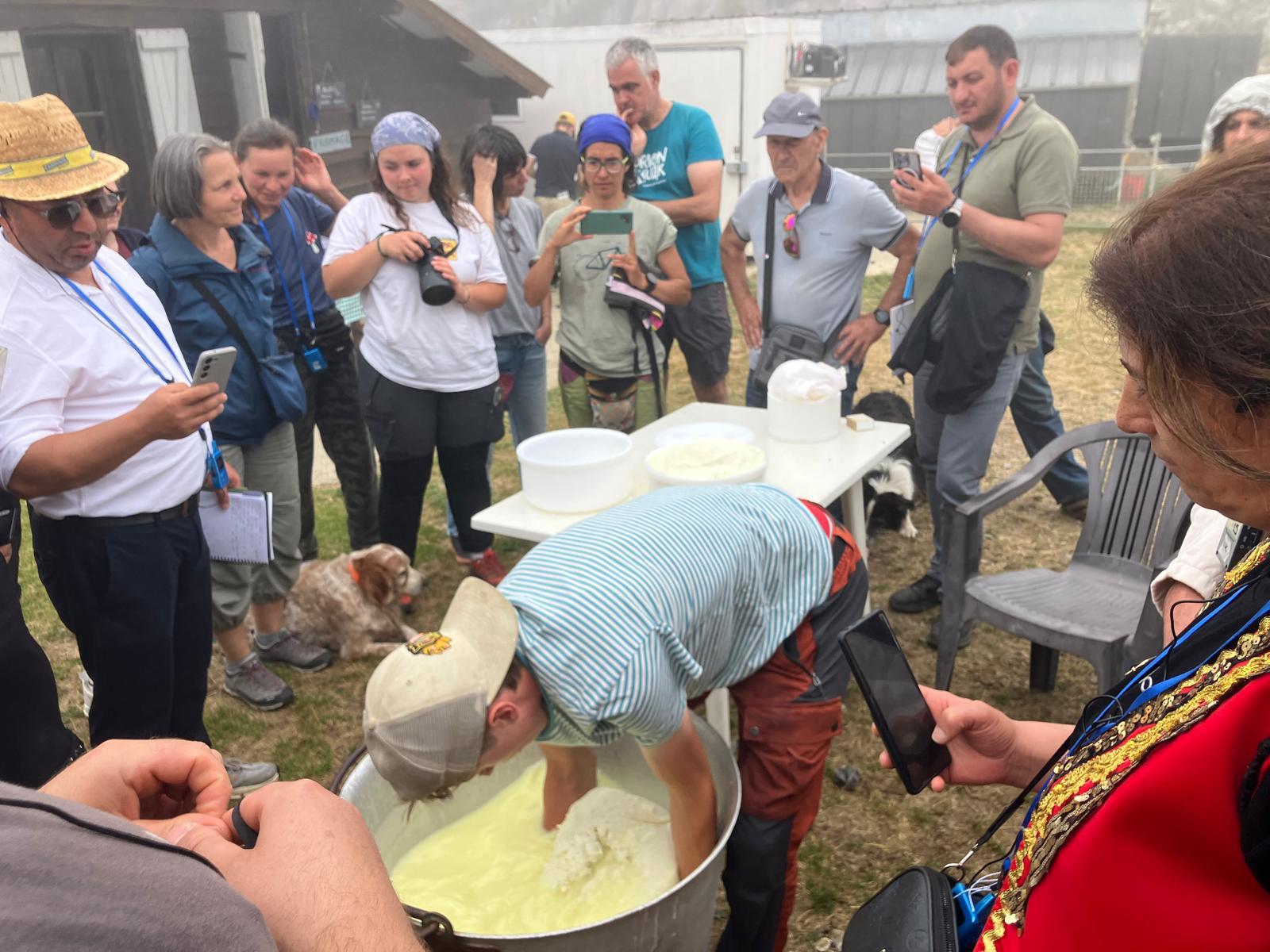
Over the course of five days, herders and cheesemakers from several European countries, Albania, Spain, France, Italy, Romania and Switzerland, as well as from Turkey and Georgia, came together to share their practices, deepen their knowledge, particularly regarding hygiene standards in farm-based cheese-making, and take part in the cheese competition at Lées-Athas (Pyrénées-Atlantiques). This event forms part of the lead-up to 2026, the UN’s International Year of Pastoralism.
This recognition highlights the importance of these practices in preserving ecosystems, local cultures and food sovereignty.
For all the participating pastoralists and cheesemakers, the stakes are clear.
“We must rally the public, food lovers and public authorities on a large scale to highlight that agro-pastoralism is the way forward for food self-sufficiency. It is also a question of culinary excellence, safeguarding local jobs and preserving biodiversity. The future of pastoralism depends on the political choices we make today.” – Olivier Maurin, shepherd and secretary of the Association of Livestock Farmers and Transhumant Herders of the Béarn Valleys.
As such, all the pastoralist farmers and cheesemakers present at this event were able to appreciate the commitment of the shepherds and elected representatives of the Béarn region in the face of the damage caused by globalised markets, and in defence of rural and mountain areas and our shared heritage.
Transhumances: InterRegional Education in AgroSilvoPastoralism
PROGRAMME ERASMUS+ 2025-1-FR01-KA220-ADU-000363766
Funded by the European Union. Views and opinions expressed are however those of the author(s) only and do not necessarily reflect those of the European Union or the European Education and Culture Executive Agency (EACEA). Neither the European Union nor EACEA can be held responsible for them.