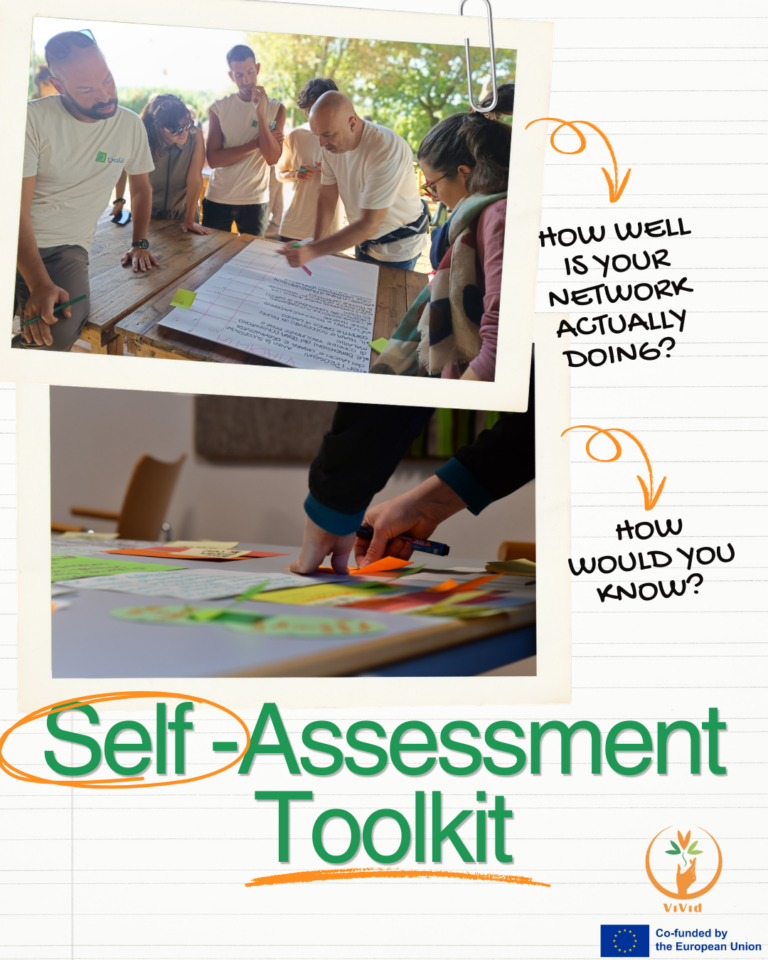
How well is your CSA or LSPA network actually doing and how would you know? Find out thanks to the Self-Assessment Toolkit developed during the ViVid Project!
The ViVid project brings together eight European partners to strengthen CSA (Community Supported Agriculture) and other LSPA (Local Solidarity-based Partnerships in Agroecology) networks.
The project focused on developing and implementing a blended training program around three thematic pillars: Viability,Visibility,and LiVeability (the “3Vs”).
For Viability, we reflected on financial sustainability, strategic planning, good governance, and shared knowledge systems, for Visibility on how networks communicate their values and impact through storytelling, branding, digital presence, and advocacy, and for LiVeability we addressed the internal culture, ensuring inclusive participation, care, well-being, and conflict resolution.
During the course of this project, we worked on the topic of Self-Assessment, with the goal of turning the consortium’s collective experience into a standardised, usable self-assessment system, so that LSPA and CSA networks can self-diagnose and improve in these areas.
First, we collected tools and resources from our networks that can help us to be more viable and visible with our work, while staying liveable at the same time. From this process we developed the ViViD Best Practice Guide, a document that offers practical tools for financial sustainability, communication, inclusive governance, and well-being, with case studies from France, Italy, and the Czech Republic.
Afterwords, we created a Survey, documented what happened, and surfaced what works, what doesn’t, and what should be improved.
The survey was deployed through participatory in-person workshop formats, online meetings and by integrating it in their strategic internal management.
Even networks that already do reflective work informally found that the survey gives structure, comparability, and a shared reference point that prevents issues from staying vague.
When facilitated well, the tool opens “difficult but necessary” conversations: workload dissatisfaction, internal communication gaps, and how ideological or interpersonal conflicts are handled, ultimately leading to a clear “what next” step.
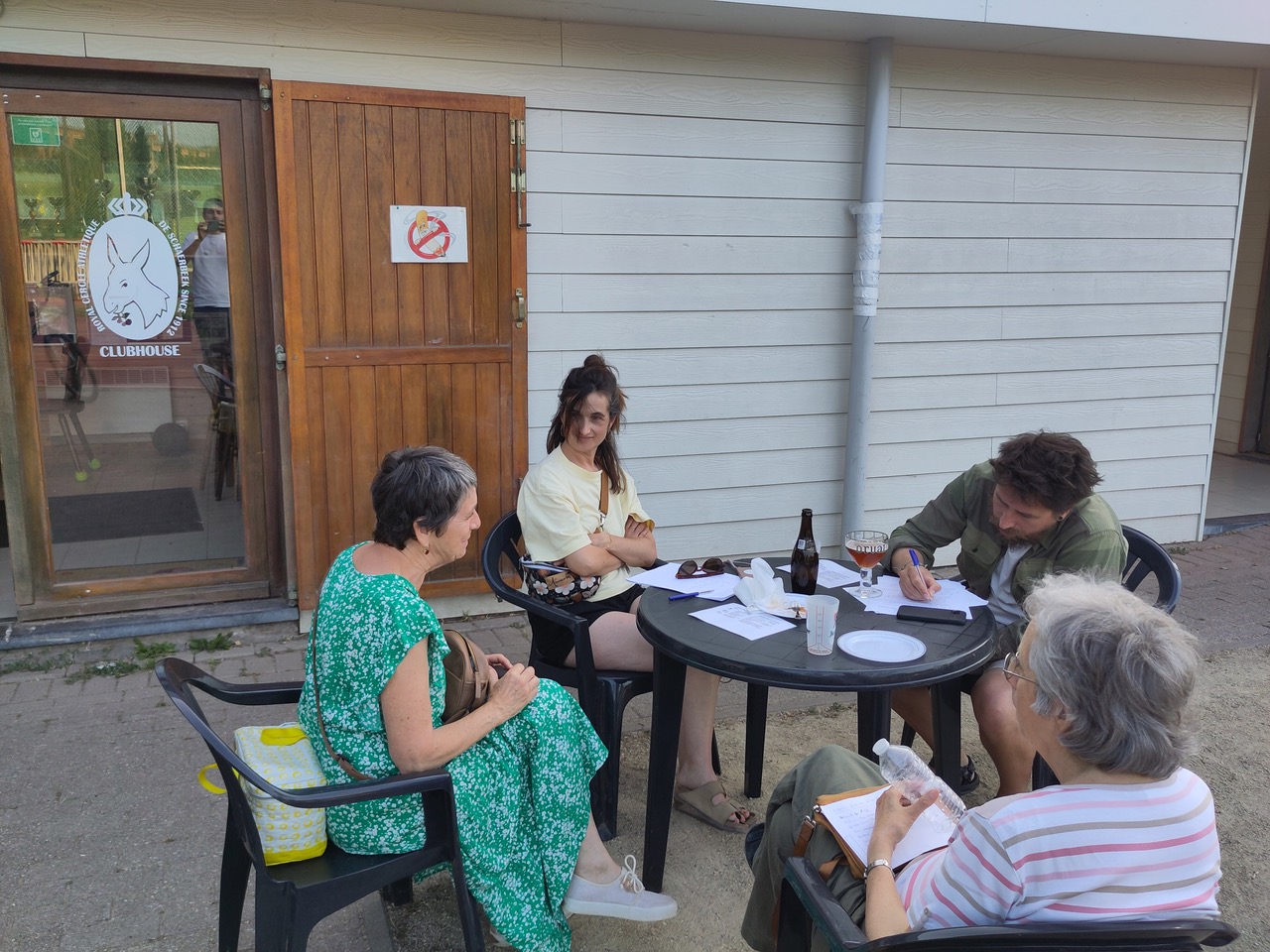
The implementation of the peer-consultation workshops has been a real catalyst: they allowed us to enrich the content of our GASAP support work, strengthen our connections with federated members, and further energize the internal synergy between the staff team and the board of directors.
— Timothée Collin, Coordinator of the GASAP-SAGAL Network
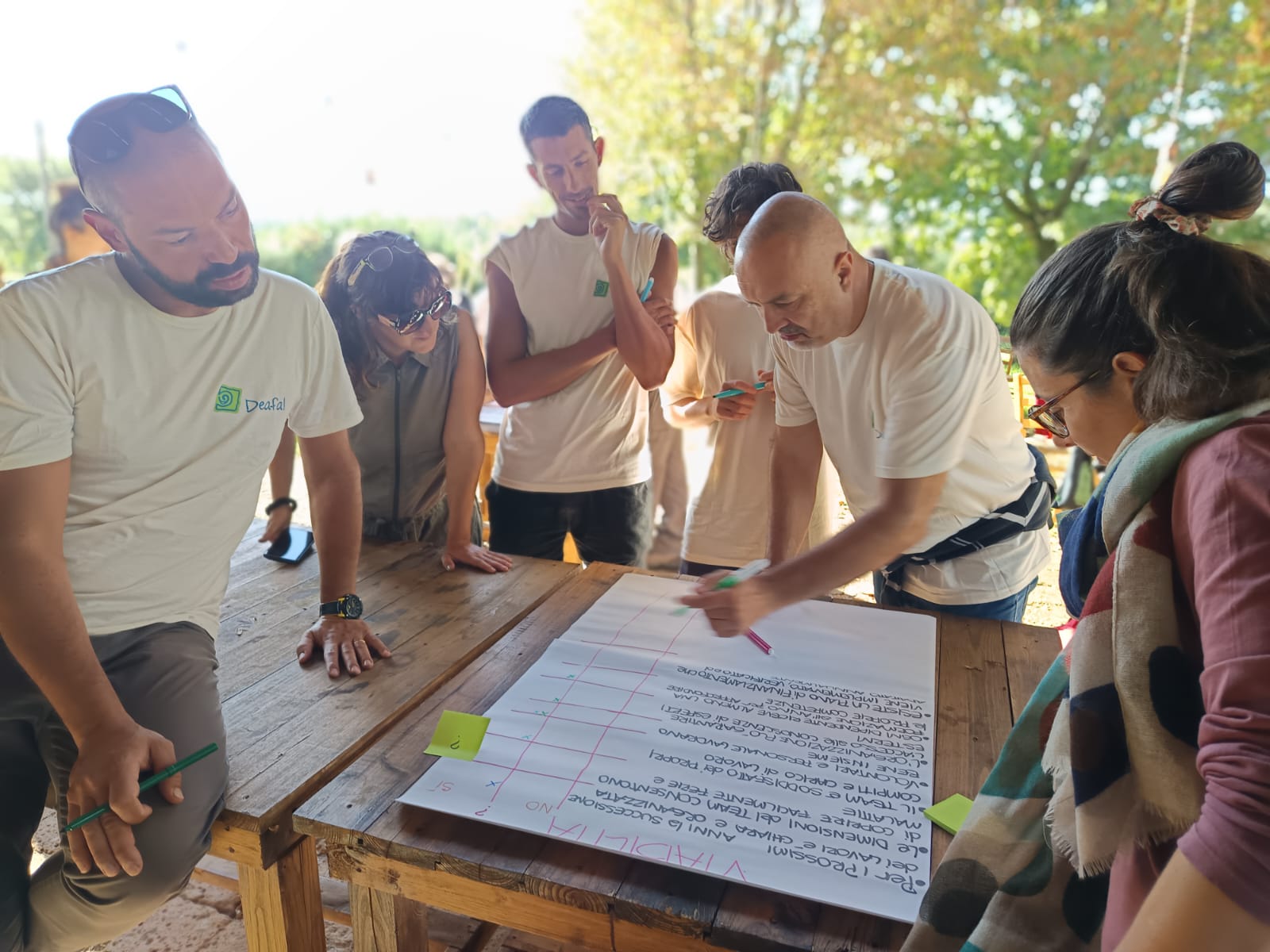
It has been really helpful to discuss together, as there are really different roles and involvement, so people could learn from each other and from the organisation itself.
Make the questionnaire as an activity and involving make people feel more considered and engaged.
—Deafal
The ViVid Project project was designed for both emerging and established networks, and you can find these (and more!) resources on the URGENCI HUB, as well as a User Guide to learn more about them and how to adapt them to your needs.
These outputs support peer learning, strategic reflection, and continuous improvement, making it a living tool for grassroots transformation and food sovereignty.


ViVid – Apprendre, entraîner et former vers les 3 V des réseaux alimentaires citoyens: Viabilité, Visibilité, Vivabilité
ViVid – Learning, coaching and training towards the 3 V’s of citizen food networks: Viability, Visibility and LiVeability
Erasmus project: 2023-1-FR01-KA220-ADU-000165801
Funded by the European Union. Views and opinions expressed are however those of the author(s) only and do not necessarily reflect those of the European Union or the European Education and Culture Executive Agency (EACEA). Neither the European Union nor EACEA can be held responsible for them.