Transhumance and heirloom cheesemaking practices are vital traditional farming methods that have respected animal welfare and sustainably utilized natural resources for millennia. In an era marked by climate crises and biodiversity loss, preserving and improving these agrosylvopastoralist practices is crucial, as they play a key role in adapting to and mitigating climate change. Maintaining these traditions is also critical in ensuring food security and defending food sovereignty against the pressures of industrialized, global markets.
TRANSHUMANCES (2025-1-FR01-KA220-ADU-000363766) is an Erasmus+ KA220 Adult Education project that aims to co-create a comprehensive curriculum and training materials for existing and potential practitioners of agrosylvopastoralism, including breeders, animal farmers, shepherds, – and specifically, traditional and artisanal cheese-makers.
To break it down:
- Transhumance is a term that refers to the seasonal migrations of animal herds, following the growth of grass across different elevations, such as moving from valleys to high mountain pastures during the summer.
- Agrosilvopastoralism includes the integrated management of herds utilizing diverse natural environments ranging from alpine pastures and plains to forests and marshes, as well as cultivated animal feed.
Led by URGENCI, the project includes partners from France, Spain, Italy, Romania, Albania, and Turkey, as well as associated partners from Georgia and Mongolia. Officially started in October 2025, this 3-year project will co-create adaptable training materials that will culminate in an open-source, digital Learning Hub and an international Learning Community.
The curriculum being developed focuses on four key areas:
- Agroecological and heirloom practices in agrosylvopastoralism.
- Improving the value chains in dairy production by adapting to sanitary standards, diversifying products, and refining cheesemaking techniques.
- Reaching territorial markets and making effective use of social media.
- Creating an international community for peer-to-peer learning, experience sharing, and networking.
Our Journey to Villarceaux, Paris
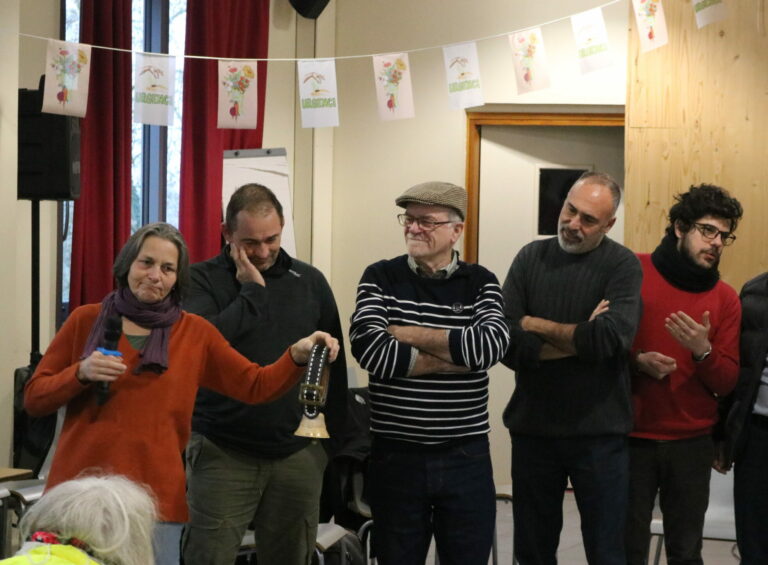
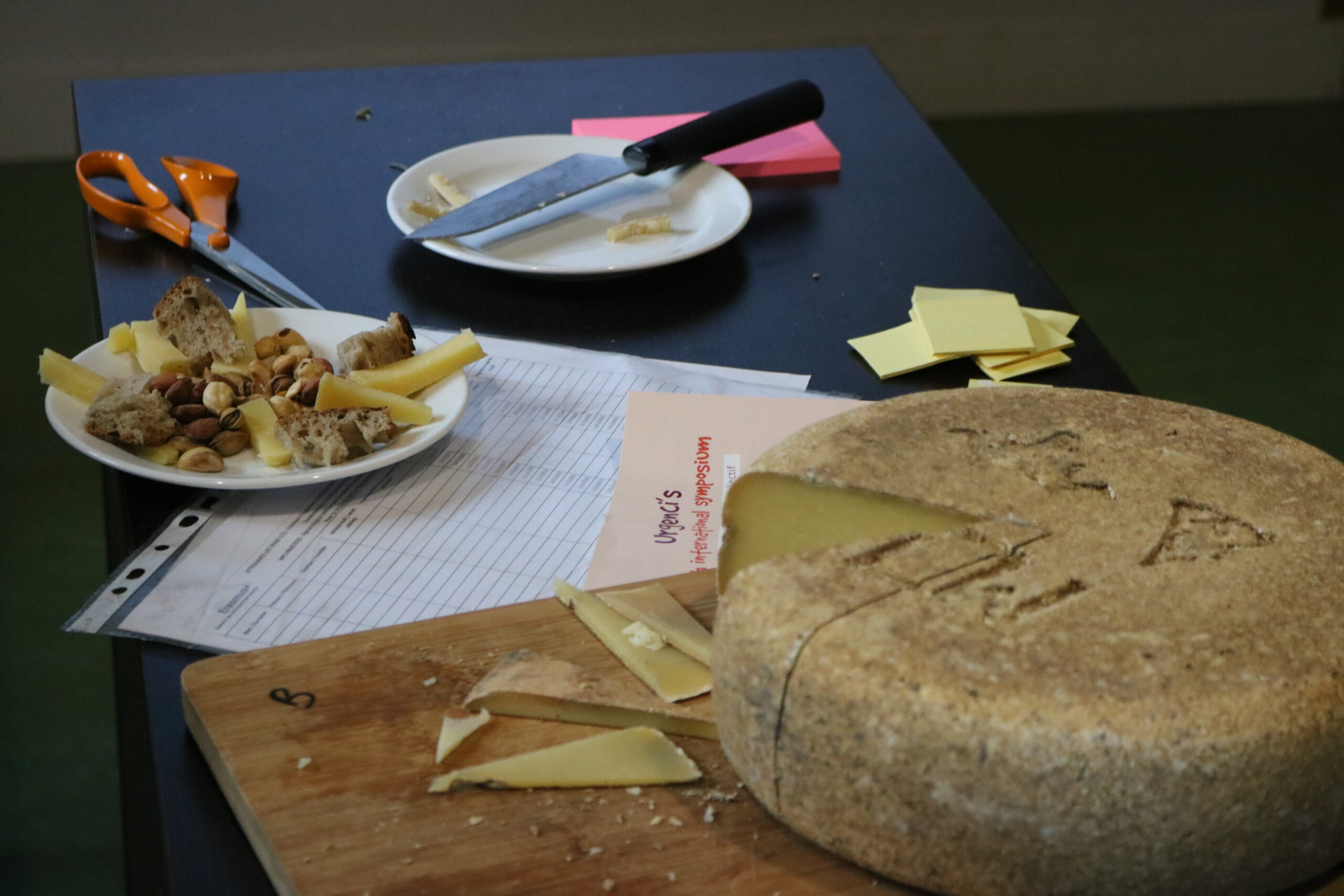
The first learning journey of the project took place between December 11-12, 2025, during the 9th International Symposium of URGENCI held in Villarceaux, Paris (report published HERE). Participants from the partner countries visited Ferme de Vaulézard, a local goat farm, where they engaged in a practical workshop to produce “brousse,” a traditional fresh whey cheese. The partners also mapped out their organizations’ good practices and held intensive sessions to draft a roadmap for a training framework covering topics like climate change mitigation, grazing for biodiversity, and low-cost solutions for animal breeding. The report for this learning journey is published HERE.
Next Stop: The High Pastures of Béarn
The next journey will be to Béarn, in the French Pyrennées, between July 14-19, 2026. This upcoming event will plunge participants into the heart of the Vallée d’Aspe, featuring visits to high mountain pastures (estives) such as Ferme Ossiniri and Ferme Récébire to observe traditional cheese-making, manual milking, and herd management. The program also includes:
- A cross-border meeting at Col du Pourtalet with French and Spanish shepherd schools.
- Working sessions on adapting European sanitary norms (HACCP) for traditional farmhouse cheeses.
- Exploring the synergy between tourism and pastoralism at La Pierre Saint-Martin.
- Participating in the Lées-Athas cheese festival.
Looking further ahead, the group will meet in the Boğatepe Village in Kars, Turkey, in July 2027, and finally, at the end of 2027, in Milan, Italy, with participation from the Mediterranean CSA network.
Blazing the “New Milky Ways”
The launch of the project coincides perfectly with the UN’s declaration of 2026 as the International Year of Pastoralists and Rangelands. This alignment highlights the project’s critical mission to demonstrate how pastoralist practices are essential for preserving local cultures, protecting diverse ecosystems, mitigating and adapting to climate change, and strengthening food sovereignty.
By blazing these “new milky ways,” we hope not only to empower transhumants and other practitioners of agrosylvopastoralism, but also to mobilize citizens, food communities, gastronomy lovers, and public actors to send a strong message to political decision-makers. The future of these traditional practices, and indeed the vitality of our rural territories, depends on the collective support and political choices we make today.
Transhumances: InterRegional Education in AgroSilvoPastoralism
PROGRAMME ERASMUS+ 2025-1-FR01-KA220-ADU-000363766
Funded by the European Union. Views and opinions expressed are however those of the author(s) only and do not necessarily reflect those of the European Union or the European Education and Culture Executive Agency (EACEA). Neither the European Union nor EACEA can be held responsible for them.